Blog
Should you wake a sleeping baby? What we told the Erie Wellness Podcast
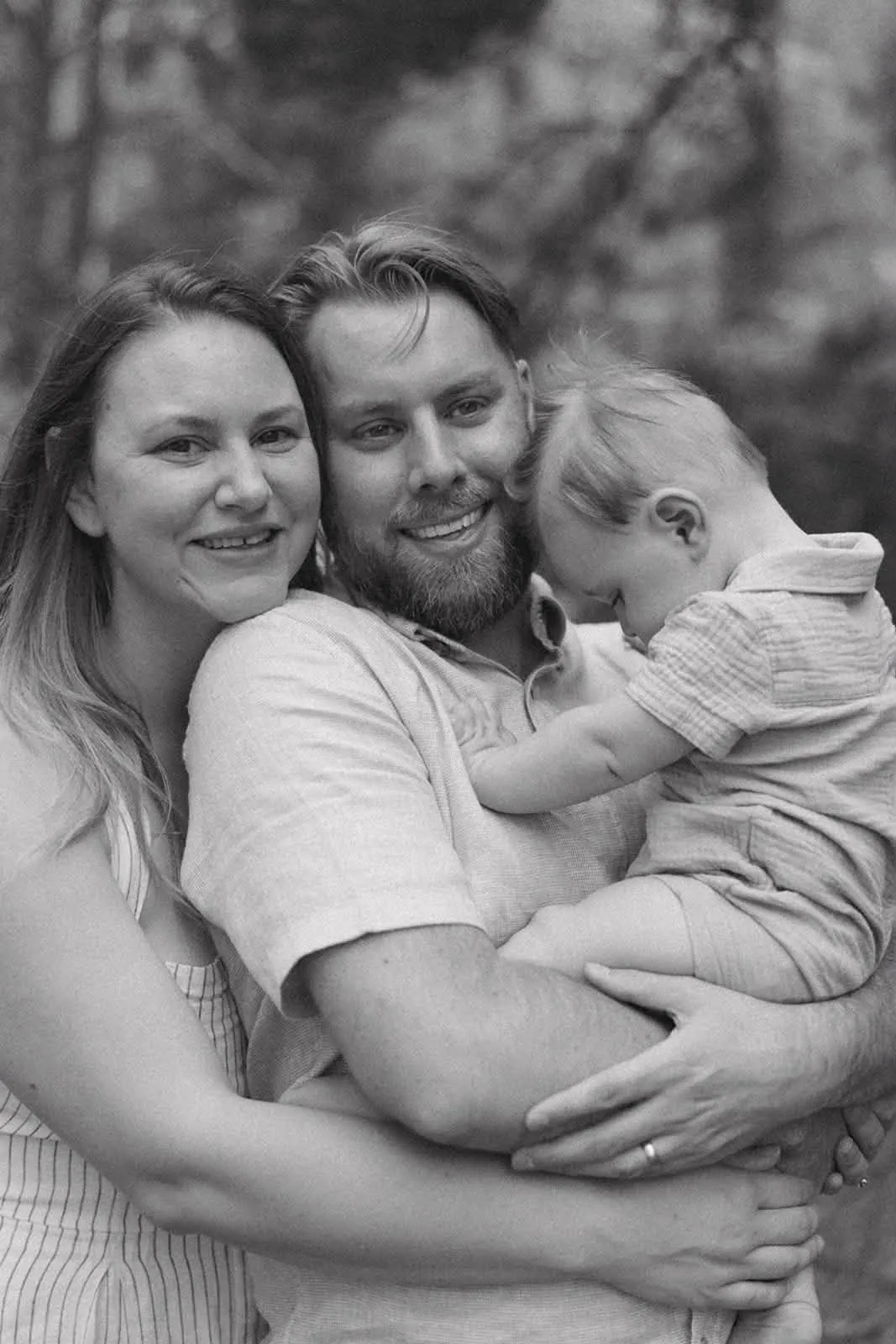
In September we sat down with Lauren Brunetti of the Erie Wellness Podcast, a show from our own town, to talk about baby sleep and why we built Ceddie. We covered a lot in half an hour. One question kept coming back, and it’s the one almost every tired parent wrestles with at some point: should you ever wake a sleeping baby?
“Never wake a sleeping baby”
Every new parent hears it. Usually from someone who means well, often while the baby is finally, gloriously asleep.
— Amanda
On the show I said that one of the things I like most about Ceddie is that it tells you when to wake your baby. The first time it did, my reaction was: really? He’s asleep. I can finally do whatever I want.
But daytime sleep comes out of nighttime sleep. A baby only needs so much sleep in a day. If a long afternoon nap takes more of it, there’s less left for the night. If you want to protect those overnight hours, sometimes that means keeping daytime sleep in check.
— Frank
I learned this the hard way. One day Cedric fell asleep and I got a lot done around the house. I let him sleep for four hours. We paid for it that night. He was up all night.
That’s why Ceddie never treats a nap on its own. It looks at the whole day.
How Ceddie decides when to wake
Ceddie keeps track of how much daytime sleep your baby has had across all of the day’s naps, and adjusts the rest of the day around it.
- If the first nap runs long, the next nap gets a little shorter.
- If a late nap runs long, bedtime moves later, within sensible limits.
- If the day comes up short, Ceddie can add a short bridge nap to get to a reasonable bedtime.
Every nap card shows a target time and a range, so you can choose a shorter or longer nap yourself. Each card also has a short note explaining why: daytime sleep was light, so this nap can run longer, or the naps were short, so bedtime comes earlier. If you’re still not sure, tap Ask Ceddie and talk it through.
Some of the families testing Ceddie didn’t realize their baby’s daytime sleep was eating into the night. When the app suggested waking their baby, they tried it a few times. Their bedtimes and nights got noticeably better.
None of this means overriding your baby. Plenty of parents watch for sleepy cues first, which is exactly right, and use Ceddie to check their instincts: is the nap window open yet, or not quite?
A note on newborns: this is about naps for babies three months and older. Newborns are different, and whether to wake one for feeds is a question for your pediatrician.
When daycare naps fall apart
When Cedric started daycare, Frank assumed we’d need Ceddie less. The opposite happened.
— Frank
Some days the daycare report says he had a great day, an hour and a half and then another hour. Other days it’s two 20-minute naps. We used to stand in the kitchen with the daycare sheet trying to work out the evening.
Now we log the naps at pickup, which takes about a minute, and the rest of the day’s schedule is there about 30 seconds later. After a rough day that might be a short bridge nap and then bed at 7:00. After a good day, 7:30.
What surprised us was what the data showed. One morning Ceddie pointed out that his daycare naps had been short for a few days, that we’d been compensating with an earlier bedtime, and that his nights had been great as a result. That was exactly what we’d been struggling with. It isn’t intuitive, but for Cedric an earlier bedtime means a longer night, and a later bedtime means an earlier morning.
— Amanda
After seeing that enough times, we’ve learned it ourselves. Horrible sleep at daycare? Put him down early and everyone has a better night. The app taught us that.
On the show we also talked about Cedric’s move from three naps to two, and promised a write-up. Here it is: The 3 to 2 nap transition: what it actually looked like.
Also in the episode
- Why the three-to-five-month stretch feels like failing. Amanda: “It can feel like you’re failing, and you’re not. Newborns are hard. Sleep does break.” The full story is in Amanda’s and Frank’s posts about why we built Ceddie.
- Who Ceddie is for. You can log your baby’s sleep from birth. Schedules start at three months, when sleep starts to follow a real rhythm, and run up to four years. A lot of toddler parents still struggle to set the right bedtime.
- Privacy. We keep what we collect to a minimum. To build schedules, Ceddie uses your baby’s name, date of birth, and sleep history. The services we use to store data and generate schedules work under agreements that let them use it only to provide their service to us, and don’t let them train on it. The details are in our privacy policy.
- When to see a professional. Ceddie offers general guidance and good schedules, not sleep consultation. If you’re really struggling, talk to a sleep consultant first. They’re trained for exactly this.
If you’re in it right now
— Amanda
You’re not alone. We all go through this, and you will get through it. It feels really hard in the newborn trenches, but it fades. At nine months, it’s already starting to fade for us. And there are tools that can help.
Thank you to Lauren and the Erie Wellness Podcast for having us. If you’re struggling with baby sleep, try Ceddie and see if it helps. It helped us.